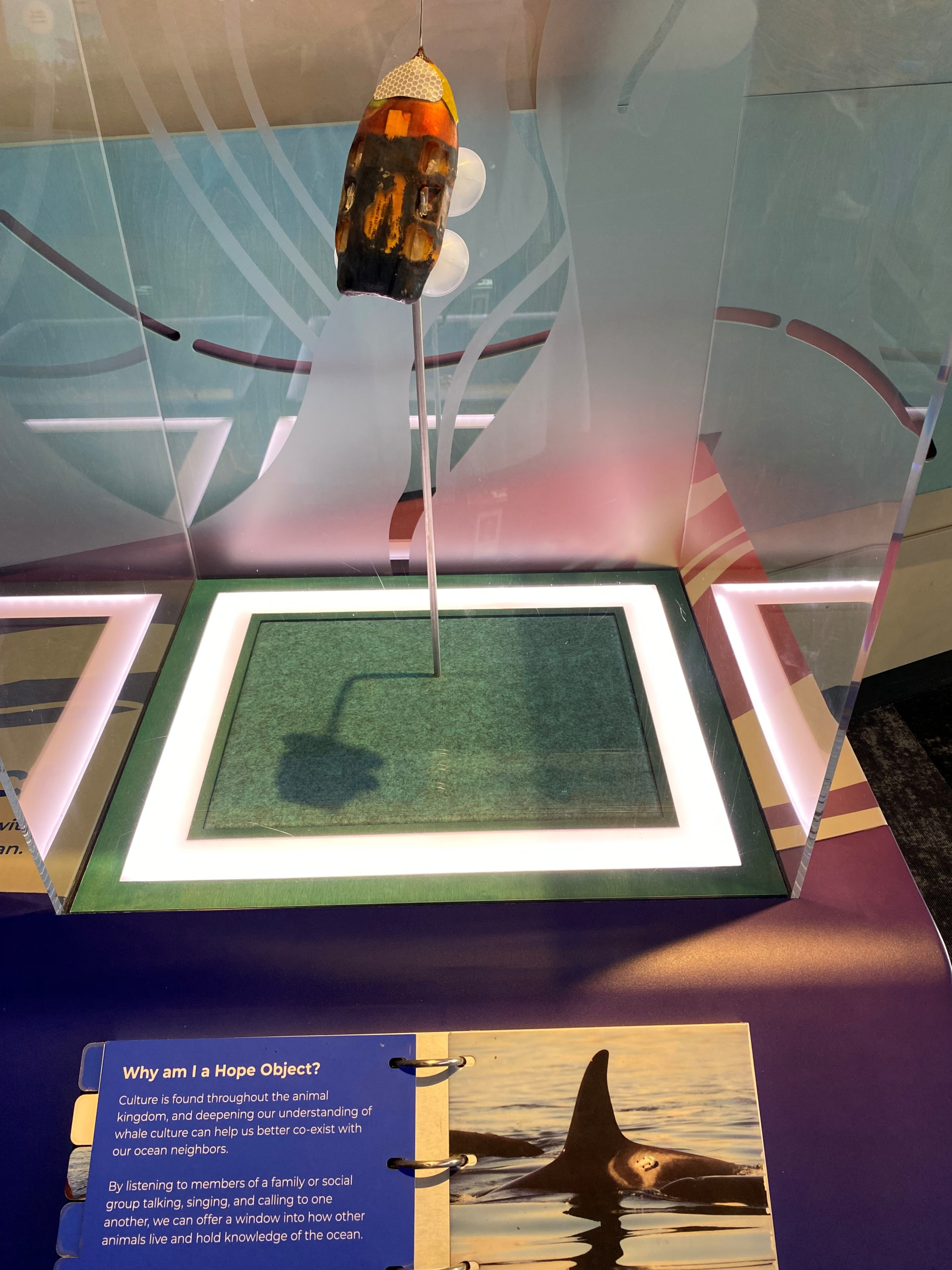
Seattle Aquarium DTAG Hope Object
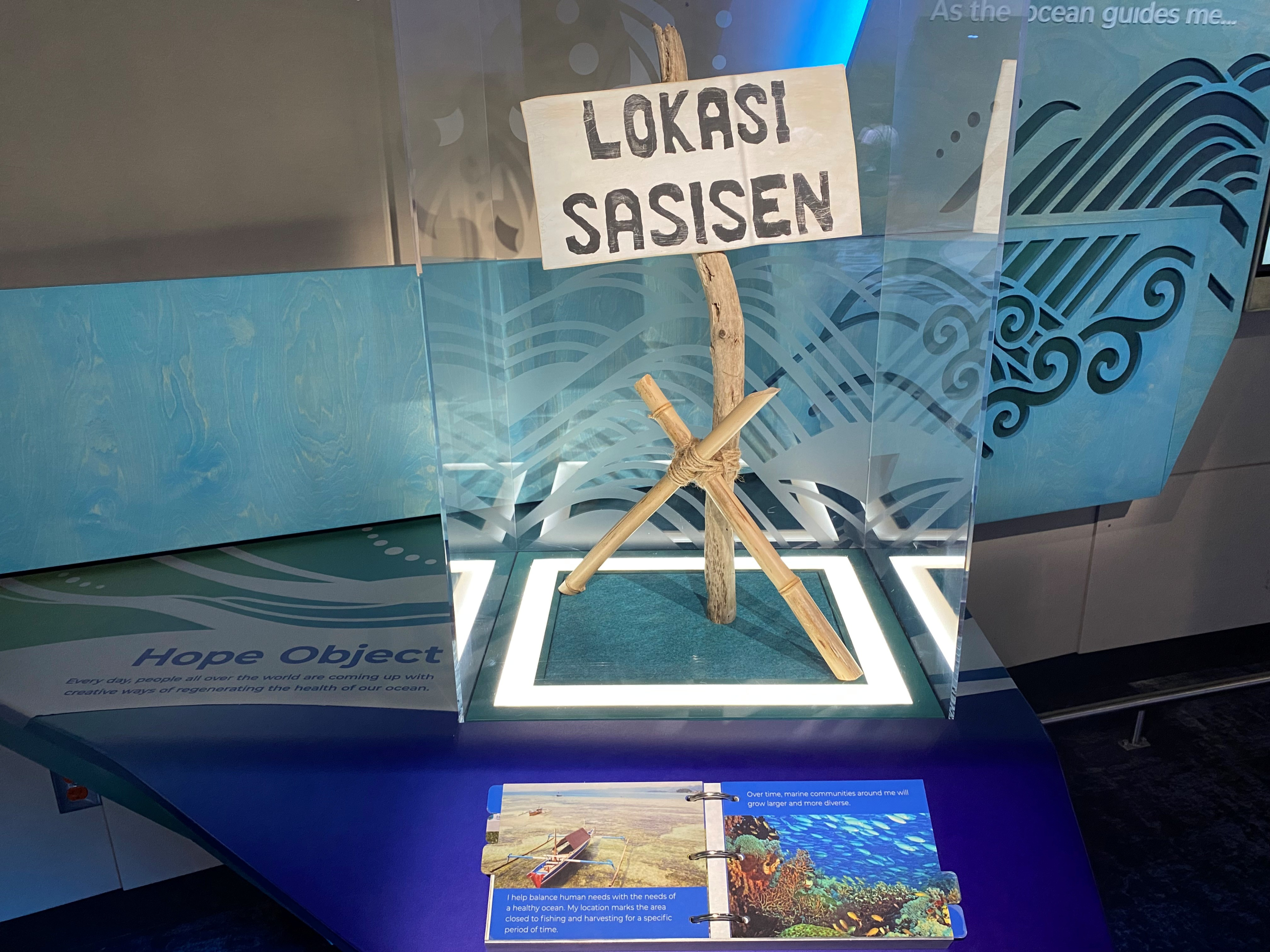
Seattle Aquarium Sasi Sign Hope Object
 Friendly neighborhood climate scientistFriendly neighborhood climate scientist by Jeremy Owens, March 23 2020 Have you ever wanted or even needed a climate science question answered but couldn’t find an answer and you wanted to speak with a scientist? Have you wanted to work with a scientist to do outreach but didn’t know how to contact someone? If you have ever had a need but felt [READ MORE]
 Lessons from COP23 – The Power Of CommunityLessons from COP23 – The Power Of Community Allison Arteaga, November 21 2017 Last week, the world’s leading voices on climate change gathered in Bonn, Germany for the 23rd Conference of the Parties (COP23) to the United Nations Framework Convention on Climate Change (UNFCCC). Since last year’s conference in Marrakech, the political [READ MORE]
 IPCC Communications Tips for ScientistsIPCC Communications Tips for Scientists Allison Arteaga, February 07 2018 In late January, ahead of the anticipated release of a new IPCC report later this year, the Intergovernmental Panel on Climate Change (IPCC) released a new handbook for their scientific authors on how to more effectively engage the public and communicate about climate change [READ MORE]
 We Need a Sea Change in How We Communicate about Ocean Change. Metaphors Can Help.We Need a Sea Change in How We Communicate about Ocean Change. Metaphors Can Help. October 28 2016 This is the fourth post in a series about framing ocean and climate change. We depend on our oceans and must protect them, yet they are often overlooked in public conversations about “climate change.” As a result, most people don’t understand how [READ MORE]
 Rosemary Mosco: Climate IllustrationRosemary Mosco: Climate Illustration by Allison Arteaga, March 18 2019 A comic that circulated through social media this past month spread hope on climate change to thousands, and it was all inspired by the artist’s connections to the National Network for Ocean & Climate Change Interpretation (NNOCCI). “Climate Worries”, a cartoon by science [READ MORE]