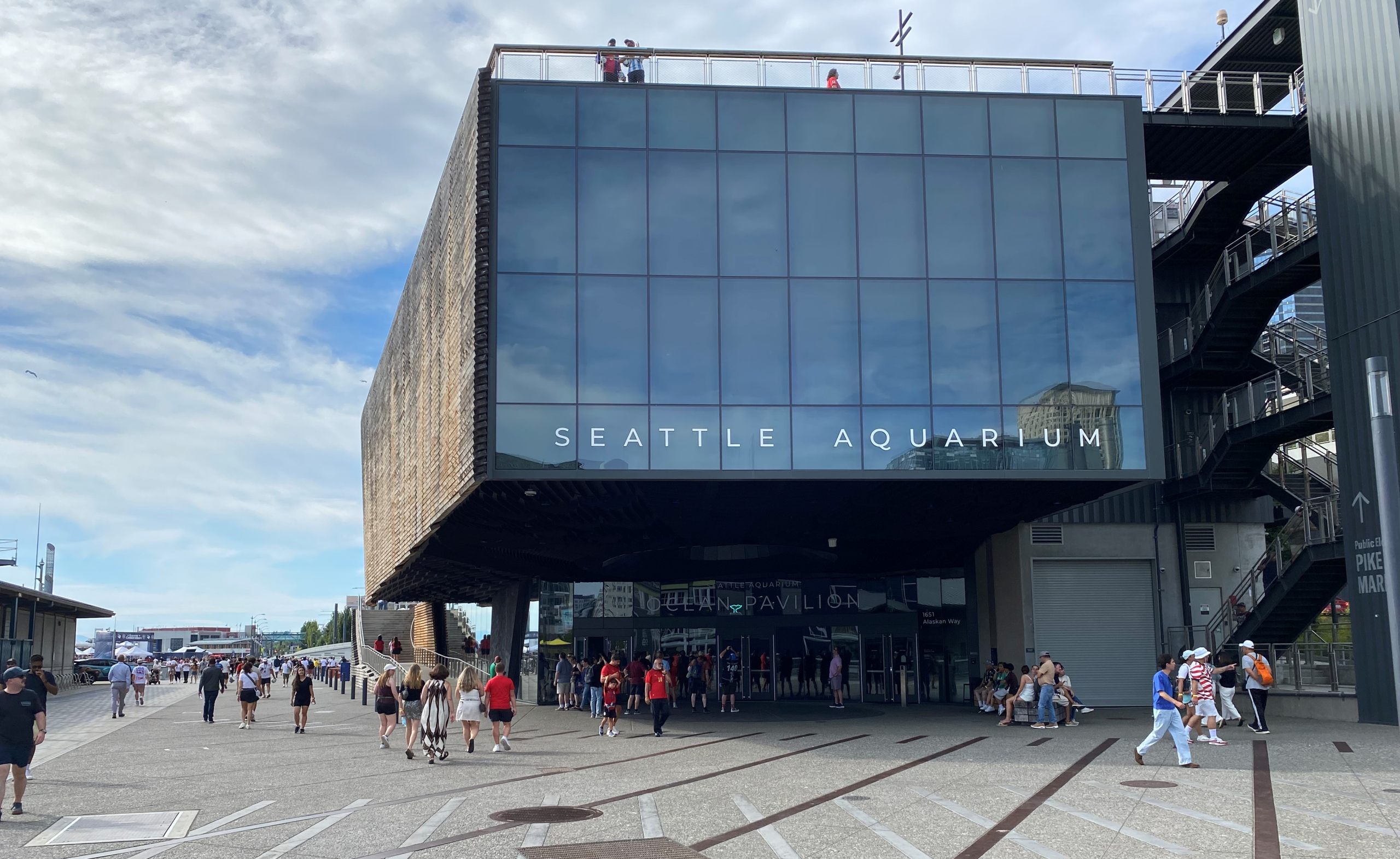
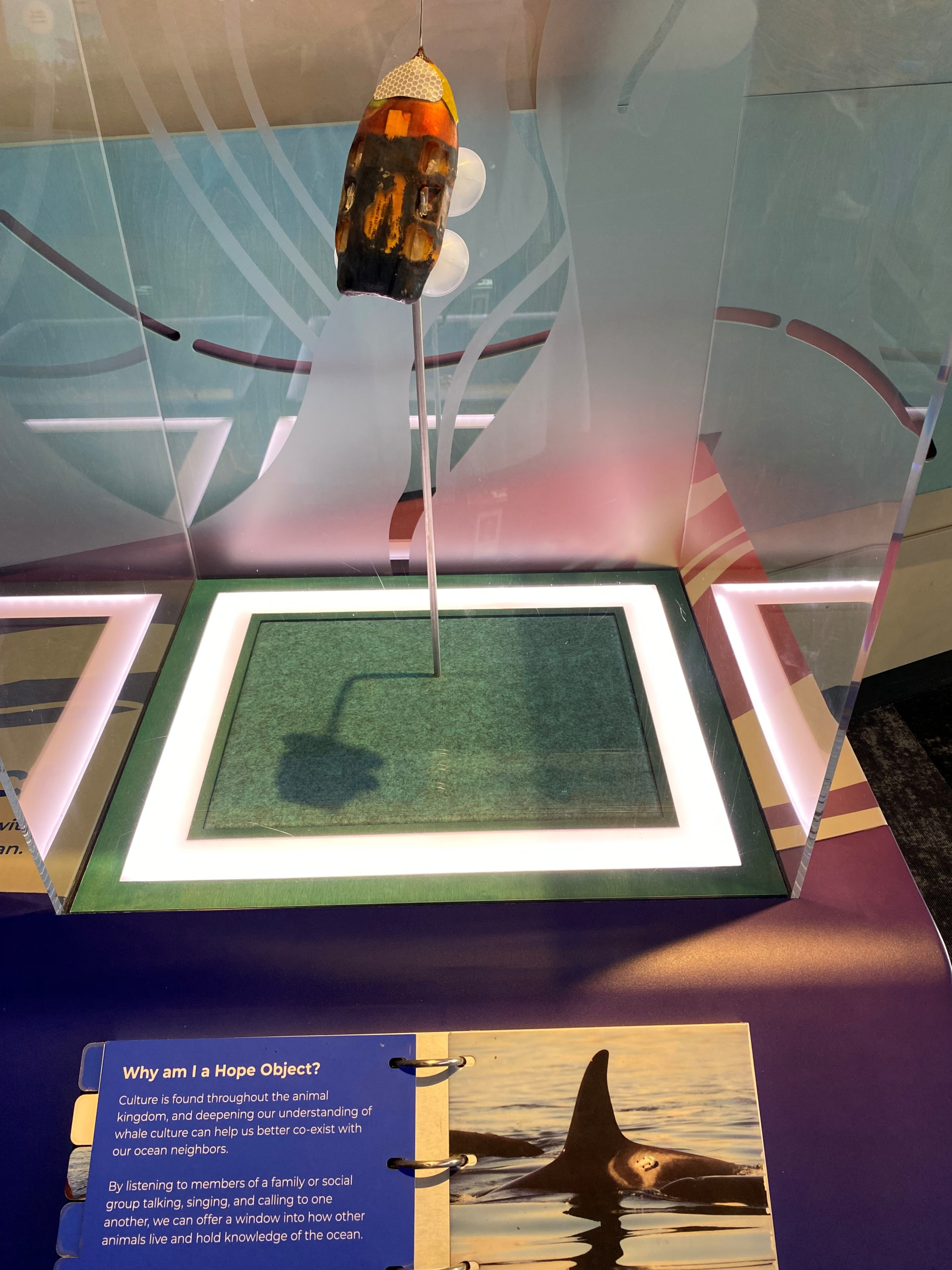
Seattle Aquarium DTAG Hope Object
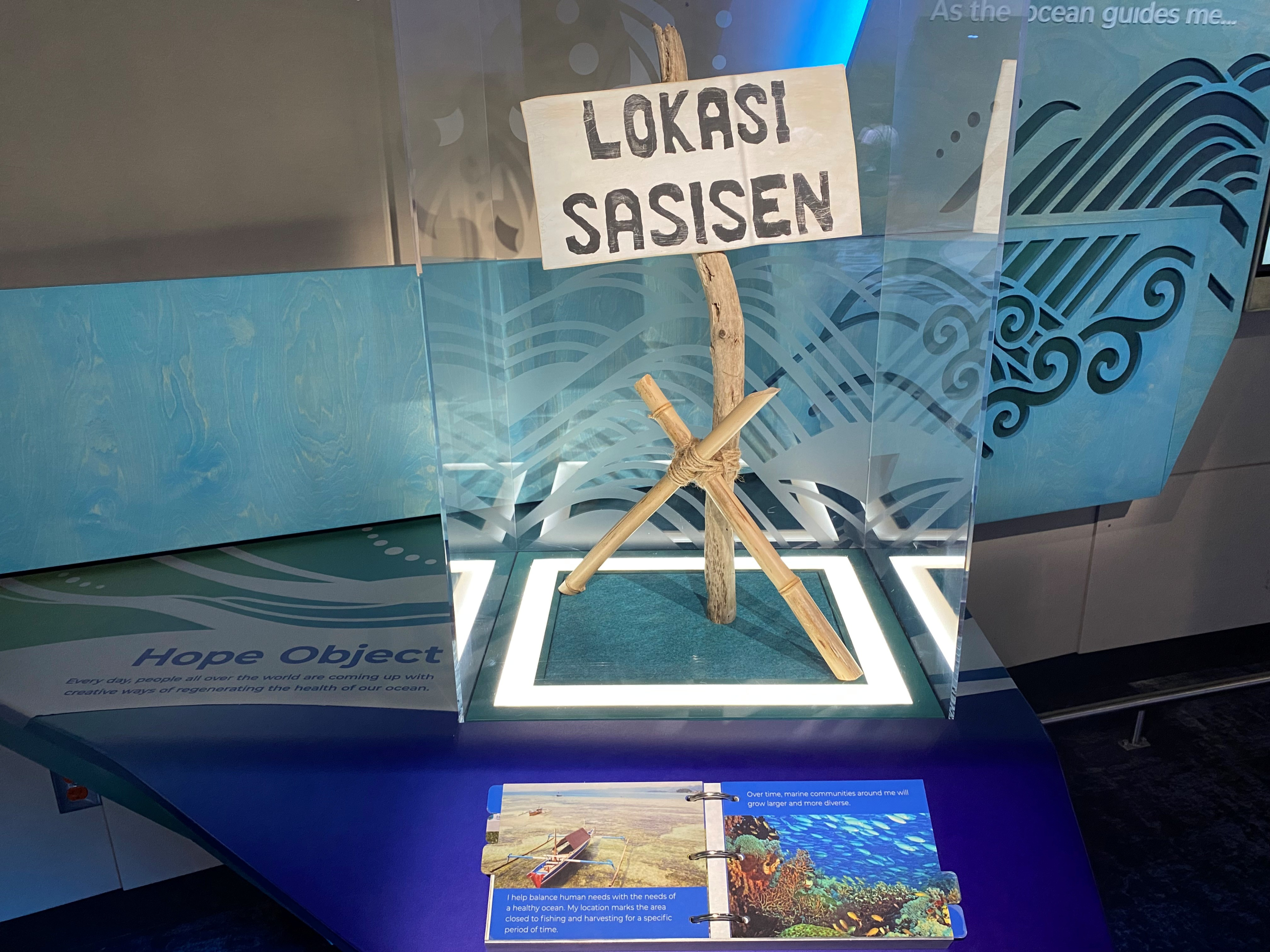
Seattle Aquarium Sasi Sign Hope Object
 Communicating in the Swamp: How to Navigate Public Thinking About Climate and Ocean ChangeCommunicating in the Swamp: How to Navigate Public Thinking About Climate and Ocean Change July 22 2016 This is the first in a series about framing ocean and climate change. When people think about oceans this summer, they might think of a good vacation spot—a place to spread out the beach towel, pop up the umbrella, and relax under the sun as [READ MORE]
 Of Penguins & Solar PanelsOf Penguins & Solar Panels by Billy Spitzer, August 28 2018 Here’s a surprising penguin fact: much like our own communities, African Penguins and the ecosystems they’re part of benefit from our transition away from fossil fuels and toward renewable energy. Like many people, we at the New England Aquarium believe in safeguarding people and [READ MORE]
 We Need a Sea Change in How We Communicate about Ocean Change. Metaphors Can Help.We Need a Sea Change in How We Communicate about Ocean Change. Metaphors Can Help. October 28 2016 This is the fourth post in a series about framing ocean and climate change. We depend on our oceans and must protect them, yet they are often overlooked in public conversations about “climate change.” As a result, most people don’t understand how [READ MORE]
 The Importance of Community in Informal Science EducationAs members of NNOCCI, we all know about the importance of having a community to support our journey as educators. Having a professional community like NNOCCI is vital for our wellbeing and professional growth. A strong sense of community helps reduce isolation in roles that are often solo, temporary, or poorly defined. This can be particularly important when teaching about challenging subjects such as climate change. Being part of a community like NNOCCI can help strengthen professional identity in the field of informal education which often has fluid roles and career pathways.[READ MORE]
 Sharing Lessons Learned in Climate CommunicationSharing Lessons Learned in Climate Communication By Jake Trusheim After graduating from NNOCCI’s Crash Course in Effective Climate Change Communication, I felt inspired. I was equipped with the knowledge and skills to have more impactful climate change conversations, and I didn’t want that momentum to fizzle out. I heard the quote from Bill [READ MORE]